

Introduction
The tradition of lighting diyas has been an integral part of Indian culture for centuries. Diyas, also known as earthen lamps, are small clay pots filled with oil and a cotton wick to provide light. They hold great significance in Hinduism and are often lit during religious ceremonies, festivals, and auspicious occasions. However, the symbolism behind these humble little lamps goes beyond just being a source of light. In this document, we will explore the deeper meaning and significance of diyas in Indian tradition.

The Origin of Diyas
The use of diyas can be traced back to ancient Indian civilization. According to Hindu mythology, the first diya was lit by Lord Rama upon his return from 14 years of exile. It is said that the whole kingdom celebrated his homecoming by lighting diyas and creating a path of light for him to enter safely. This story symbolizes the victory of good over evil and the importance of light in dispelling darkness.
Symbolism of Diyas
The lighting of diyas represents the triumph of light over darkness and knowledge over ignorance. Diyas also symbolize the inner self or the Atman, which is believed to be pure and divine. Just as a diya illuminates its surroundings, it is believed that by lighting diyas, one can purify their thoughts and connect with their inner self.
Diyas in Festivals and Ceremonies
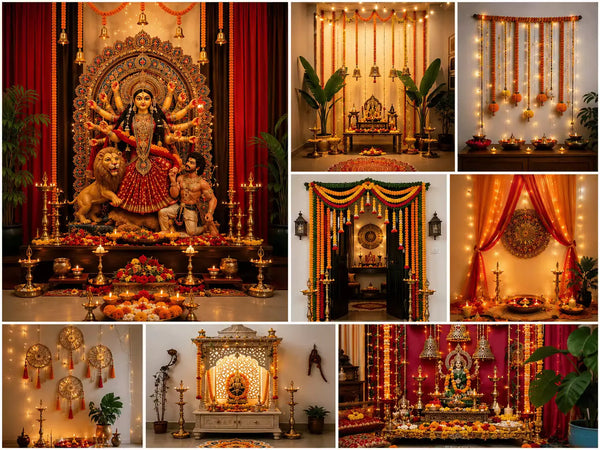
Diyas are an essential part of various Indian festivals and ceremonies. During Diwali, the festival of lights, and diyas are lit to welcome Goddess Lakshmi, the goddess of wealth and prosperity, into homes. The lighting of diyas is also a way to pay homage to ancestors during Pitru Paksha or Shradh, a period dedicated to honoring departed loved ones.
Diyas: More than just Illumination
Diyas are not just used for their practical purpose of providing light; they also hold significant cultural and spiritual significance. The traditional process of making diyas involves using clay, which is molded into shape and then dried in the sun. This process symbolizes the connection with nature and the simplicity that is cherished in Indian culture.
The Modern Reception and Evolution of Diyas
In modern times, diyas have evolved from being a traditional source of light to becoming a decorative item. With the emergence of electric diyas and string lights, the use of traditional clay diyas has reduced. However, their symbolic value remains strong as they continue to be used during festivals and ceremonies.
Keeping Tradition Alive
Despite the availability of more modern lighting options, many people still choose to use diyas during festivals and ceremonies. This not only helps keep the tradition alive but also supports local artisans who make and sell handmade diyas. By using traditional diyas, one can also reduce their carbon footprint and contribute towards a sustainable future.
Conclusion
In conclusion, diyas are more than just a source of light; they hold cultural and spiritual significance in Indian traditions. Their traditional production process symbolizes simplicity and connection with nature, and their continued use helps keep the tradition alive. Diyas also serve as a means to support local artisans and contribute towards sustainability.