


Introduction to the Pooja Thali
A pooja thali, also known as a puja plate, is a significant element in Hindu rituals and ceremonies. This sacred tray holds the essential items used in pooja (worship) and symbolizes purity, devotion, and offerings to deities. Whether it's a daily prayer or a grand festival, the pooja thali plays a central role in Hindu worship, both at home and in temples.
Significance and Use in Hindu Culture
The pooja thali is not merely a plate but a vessel of divine connection. Each item placed on it has symbolic meaning, representing elements of nature and spiritual tools that aid in worship. From the flickering diya (lamp) symbolizing divine light to the incense sticks purifying the atmosphere, the pooja thali is a microcosm of the universe's spiritual essence.
Varieties of Pooja Thalis
The pooja thali comes in various styles, reflecting the rich diversity and cultural heritage of India.
Based on Designs.
Traditional Pooja Thalis
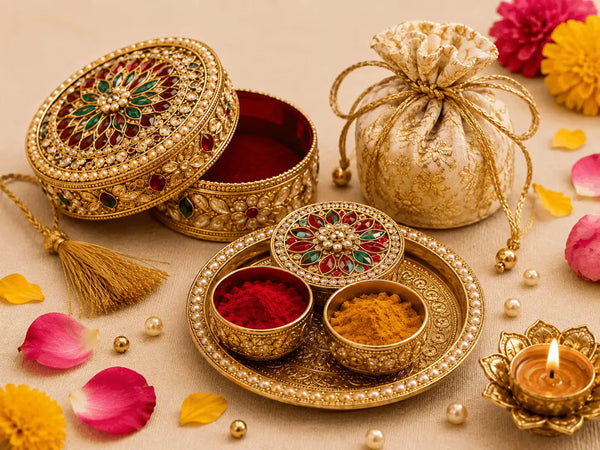
Traditional thalis are often made of metal, such as brass, copper, or silver. They feature intricate designs and carvings, representing ancient artistry. These thalis are passed down through generations, carrying with them the legacy and blessings of ancestors.
Modern Pooja Thalis
Modern thalis blend traditional elements with contemporary aesthetics. They may be made from different materials like stainless steel, glass, or even ceramic, catering to today's tastes while retaining their spiritual significance.
Regional Styles
Different regions in India have their unique styles of pooja thalis. For example, in South India, the thali is often adorned with fresh flowers and coconut, while in North India, it might include specific sweets and regional delicacies.
Based on Material been used
Metal Pooja Thalis
Metal thalis are the most popular type and are usually made from brass, copper, or silver. They have intricate designs and engravings, making them not only functional but also decorative pieces.
Brass Pooja Thalis
Brass thalis are the most commonly used type. They are durable, have a shiny appearance and are relatively affordable compared to silver or copper ones.
Copper Pooja Thalis
Copper thalis have antimicrobial properties, making them ideal for poojas where food is offered to deities. They also have a beautiful reddish-brown hue, adding to their aesthetic appeal.
Silver / German Silver Pooja Thalis
Silver thalis are considered the most auspicious and are often used for special occasions like weddings or festivals. They have a high monetary value and require proper care to maintain their shine.

Organic Pooja Thalis
For those who prefer more eco-friendly options, organic pooja thalis made from materials like bamboo, banana leaves, and even clay are becoming popular. They not only provide an earthy touch to the rituals but also promote sustainability.
Wooden Pooja Thalis
Wooden thalis have a rustic charm and are often handmade. They can be found in various types of wood, such as neem, mango, or sandalwood. They are lightweight and easy to maintain.
Stone Pooja Thalis
Stone thalis come in different types of stones like marble, granite, or soapstone. They have an elegant look and are usually quite heavy and sturdy. However, they require special care to prevent any damage.
Various Size of Pooja Thalis
Pooja thalis come in a variety of sizes to accommodate different types of rituals. Some may be small and compact, perfect for individual or home use, while others may be larger, suitable for community gatherings or ceremonies.
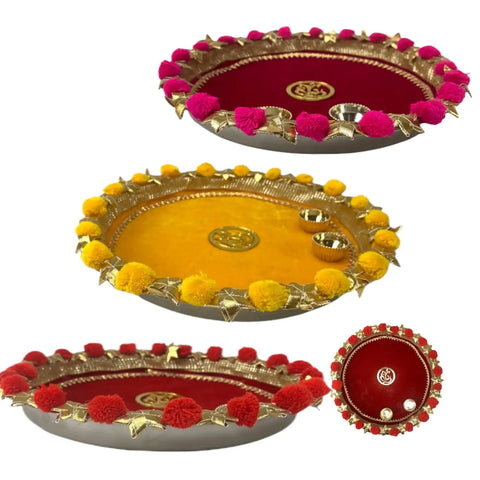
Small Pooja Thalis
Small pooja thalis are usually used for daily puja rituals or in households with limited space. They can also be easily carried while traveling, making them a convenient option. Close to 6 Inch Diameter.
Medium Pooja Thalis
Medium-sized thalis are suitable for small gatherings or ceremonies and can accommodate a few offerings. They are also compact enough to fit on most traditional puja altars. 6-10 Inches Diameter.
Large Pooja Thalis
Large pooja thalis are ideal for bigger ceremonies or pujas where a large number of offerings need to be made. They can also serve as a centerpiece for grand puja setups or altars. More than 10 Inches Diameter.
Based on Functional Value and innovation types of Pooja thali
Plain Thali
Plain thalis are the most straightforward and traditional type of pooja thali. They typically lack any decoration or embellishments, focusing solely on being functional. These thalis are a popular choice for those who prefer simplicity and understated elegance in their ritual items.
Designer Thali
Designer pooja thalis come with intricate designs and embellishments, often featuring ornate carvings, beadwork, or painting. These thalis not only serve their ritual purpose but also add an aesthetic value to the ceremony. They are perfect for special occasions and can also be used as decorative pieces in the home.
Compartmental Thali
Compartmental thalis are designed with multiple sections to organize different items used in pooja, such as kumkum, rice, and flowers. This type of thali ensures that all necessary elements are easily accessible and neatly arranged, making it highly functional for intricate rituals.
Maintaining Your Pooja Thali
To ensure your pooja thali lasts long, proper maintenance is essential. Here are some tips to keep in mind:
- Wooden thalis should be wiped clean with a damp cloth after each use and then dried thoroughly.
- Stone thalis require special care as they can be damaged by harsh chemicals or acidic substances. Only mild cleaners should be used, and they should be dried immediately after cleaning.
- Thalis made of brass, copper, or silver should be polished regularly to maintain their shine and prevent tarnishing.
- To avoid scratches, it is best to use a soft cloth when cleaning metal thalis.
- If your thali has intricate designs or engravings, avoid using abrasive cleaners that can scratch the surface.
- Store your pooja thali in a dry place, away from direct sunlight and extreme temperatures.
- Regularly inspect your thali for any signs of wear and tear, such as loose or broken parts, and fix them immediately to prevent further damage.
The Essential Elements of a Pooja Thali
A pooja thali typically includes the following items, each holding profound significance:
Diya (Lamp)
The diya, or oil lamp, represents divine light and knowledge. Lighting a diya signifies the removal of darkness (ignorance) and the ushering in of light (knowledge).
Incense Sticks
Incense sticks, or agarbatti, purify the environment and create a serene atmosphere conducive to meditation and prayer. The fragrant smoke is believed to carry prayers to the heavens.
Water
Water is a symbol of purity and life. It is used for ablution and anointment of deities and devotees, signifying cleansing and renewal.
Offerings
Offerings, or prasad, usually include fruits, sweets, flowers, and other items. These are presented to the deities as a gesture of gratitude and devotion, seeking their blessings.
Decorating the Pooja Thali
Decorating the pooja thali enhances its beauty and adds a personal touch to worship. Here are some tips and ideas for a beautiful presentation:
Use Fresh Flowers
Fresh flowers like marigolds, roses, and jasmine can be arranged around the items on the thali. They add color and fragrance, symbolizing devotion and purity.
Artistic Rangoli Designs
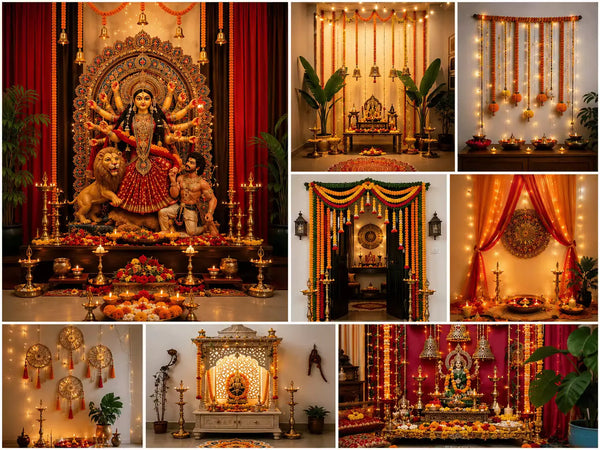
Creating intricate rangoli designs around the pooja thali using colored powders or flower petals can elevate its aesthetic appeal. Rangoli is an art form that signifies auspiciousness and welcomes divine presence.
Personal Touches
Adding personal touches like family heirlooms, handcrafted items, or specific regional decorations can make the thali unique and meaningful. This personalization reflects individual devotion and cultural heritage.
Pooja Thali in Festivities
The pooja thali plays a vital role in various Hindu festivals and celebrations, each with its unique customs and traditions.
Diwali
During Diwali, the festival of lights, the pooja thali is adorned with diyas, sweets, and coins, symbolizing prosperity and divine blessings. Special poojas are performed to honor Goddess Lakshmi, the deity of wealth.
Raksha Bandhan
On Raksha Bandhan, sisters prepare a pooja thali with a rakhi, rice grains, and sweets. The thali is used to perform the aarti (a ritual of worship) for their brothers, praying for their well-being and protection.
Navratri
During the nine days of Navratri, the pooja thali is decorated with offerings to Goddess Durga. Each day, different forms of the goddess are honored, and the thali reflects the devotion and fervor of the celebration.
The Art of Gifting Pooja Thalis
Gifting a pooja thali is a thoughtful gesture that carries cultural and religious significance. Here's how to do it right:
Custom and Etiquette
When gifting a pooja thali, consider the recipient's preferences and the occasion. Choose a design and material that aligns with their taste. Including a handwritten note or a blessing can add a personal touch.
Occasions for Gifting
Pooja thalis make excellent gifts for housewarmings, weddings, festivals, and other auspicious occasions. They symbolize blessings, prosperity, and good fortune.
Conclusion
The pooja thali is more than just a ritualistic object; it is a symbol of devotion, tradition, and community. Its presence in Hindu culture is timeless, evolving with modern tastes while retaining its spiritual essence. Whether you are a devotee, a home decorator, or a festivity enthusiast, the pooja thali remains an integral part of your spiritual and cultural expression.



3 comments
What a beautifully crafted guide! Your explanation of the symbolism behind each element of the thali, along with practical tips, made it incredibly useful and inspiring.
LoveNspire provides a comprehensive guide to pooja thalis, highlighting their significance in spiritual and cultural practices. It discusses the elements that make up a traditional pooja thali, such as diya, incense, flowers, and more, and how they are used during rituals to enhance devotion. It also explains how to select the right pooja thali for various occasions.
Great guide on Pooja Thalis! It’s incredibly informative and easy to follow, perfect for anyone looking to enhance their rituals.